

CHOOSE
Children select a physical seed and place it into a tangible interaction point within the installation.
 HUANG
HUANG
OVERVIEW
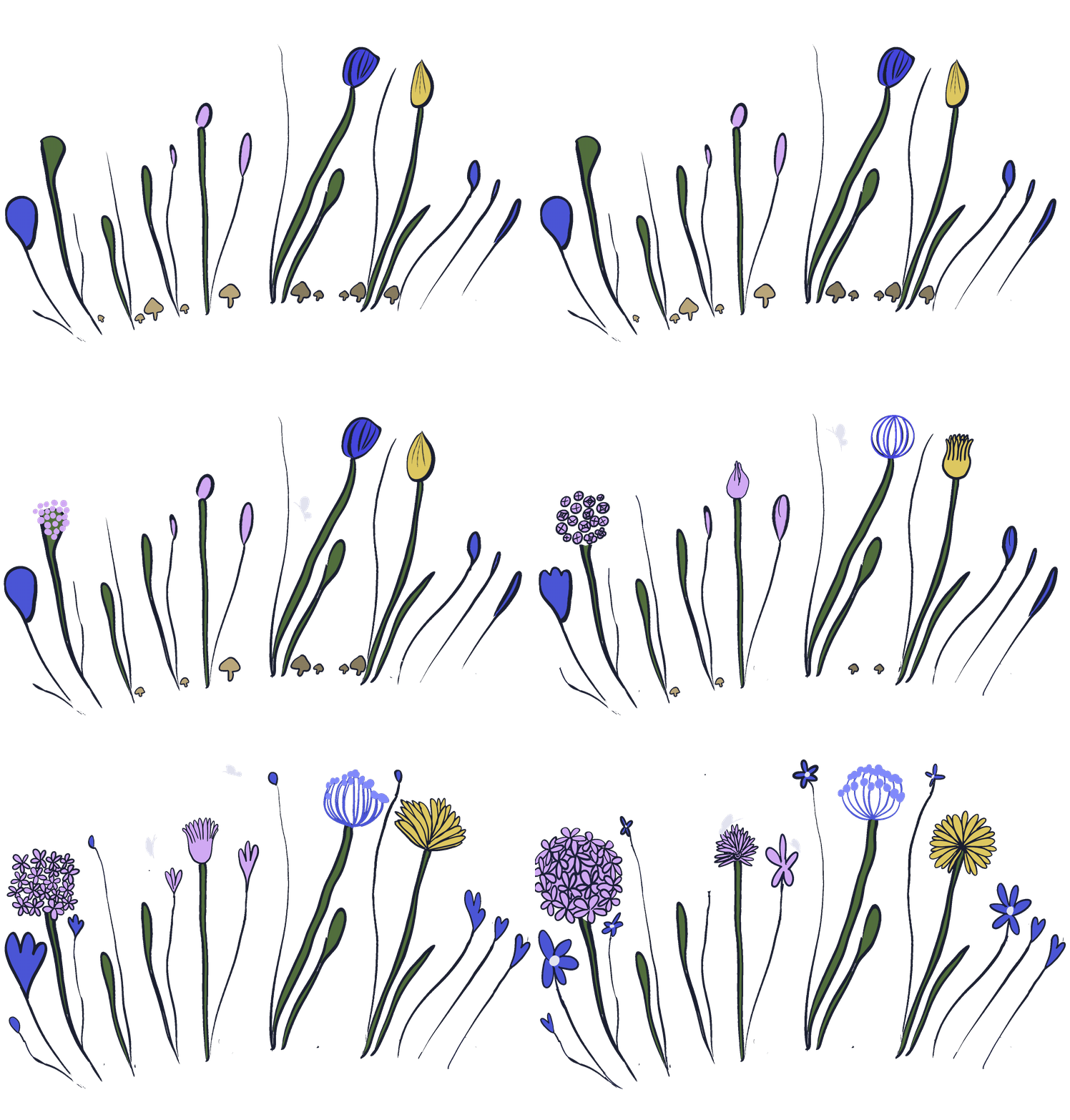
A tangible projected ecosystem where children plant physical seeds, nurture a digital garden, and learn about growth through collective play.
THE QUESTION
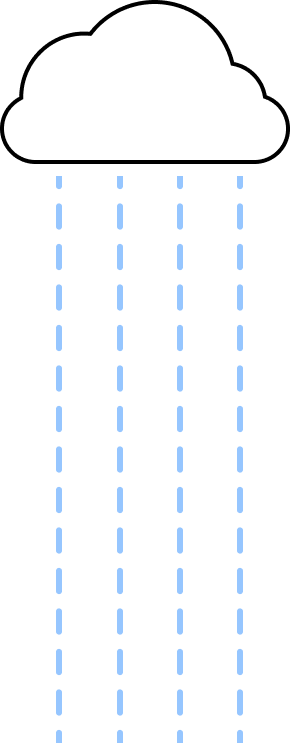
The project began as a climate canvas: children would place weather-shaped objects such as clouds and suns on a wall, triggering rain or light across a projected garden. The aim was to connect physical action with visible environmental change.
As the concept developed, the experience focused on planting and nurturing. Physical seed pods became the bridge between a child’s action and a digital life cycle—turning an abstract ecological relationship into an immediate, shared event.
HOW IT UNFOLDS
Children select a physical seed and place it into a tangible interaction point within the installation.
Sensors recognize the action and the projected world responds by introducing a corresponding plant.
Weather, flowers, insects, and changing animations invite children to keep experimenting with the ecosystem.
Multiple children can gather around the installation, observe one another, and collectively build a lively garden.
DESIGN THROUGH ITERATION
Technical constraints led the team from computer vision toward more dependable Arduino-based sensing.
Museum playtests showed that interaction points were too high, so the physical controls moved into children’s reach.
Because bodies blocked the display, the interaction and projection areas were reorganized to keep actions and feedback visible.
Children preferred tangible elements and bold storybook visuals, leading to simpler graphics and richer insects, seeds, and flowers.
WHAT THE PROJECT TAUGHT US
“The children showed us that the physical object was not a controller beside the experience—it was the experience.”
Reachable controls and clearer spatial organization made participation easier for children.
Seeds, flowers, weather, and bees created more reasons to stay, experiment, and return.
The final installation drew sustained participation and positive feedback from visitors and museum staff.
EXHIBITION DOCUMENTATION · WATCH THE FULL EXPERIENCE